
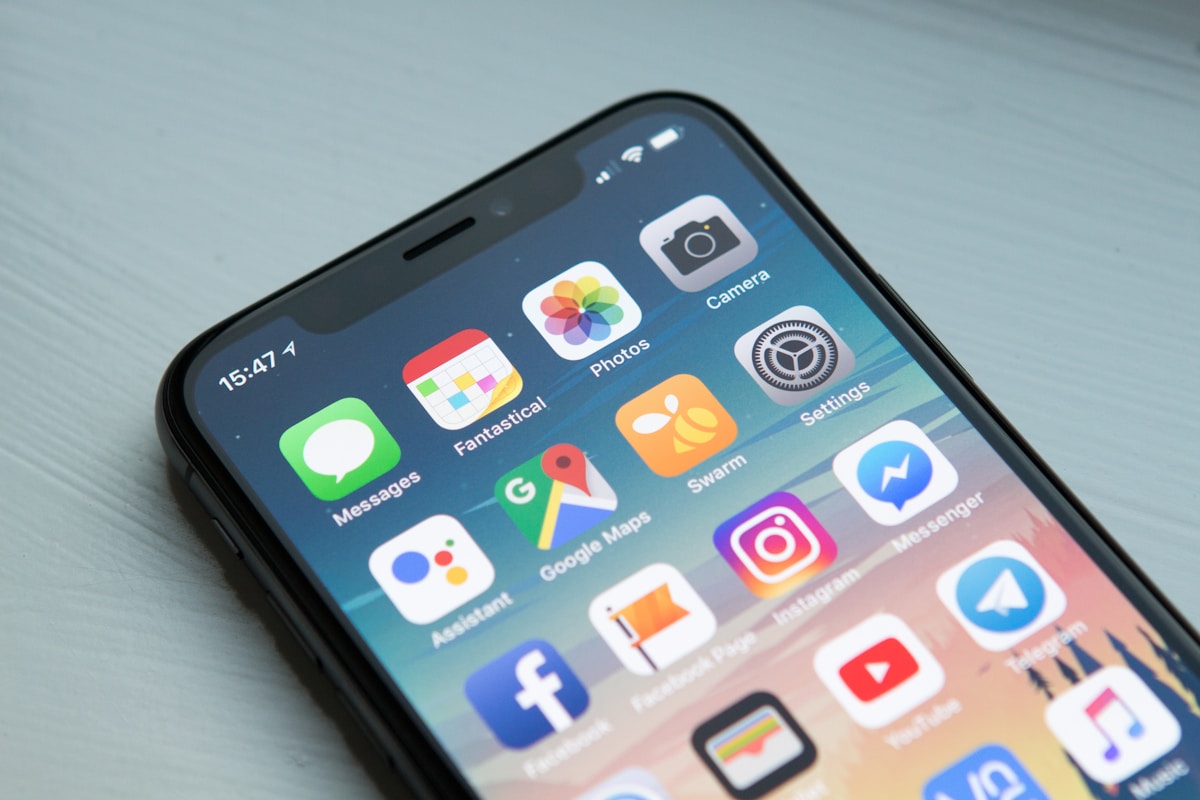
A phone buzzes in a backpack. The student’s eyes flick toward it. Their focus scatters. The lesson you spent forty minutes preparing loses them in half a second.
You see distraction. What you cannot see is what just happened inside their body.
Their amygdala flagged the buzz as potentially important. Cortisol released. Heart rate shifted. Attention narrowed toward the source of the stimulus. Their prefrontal cortex, the part responsible for focus, planning, and impulse control, got temporarily overridden by a system that evolved to detect threats and opportunities in the environment.
This is not a discipline problem. It is a nervous system event. And until we start treating it that way, we will keep responding to a physiological process with behavioral interventions that do not work.
The Nervous System Basics Teachers Need
You do not need a neuroscience degree. You need a working understanding of one system: the autonomic nervous system and its two primary branches.
The sympathetic nervous system is your activation system. It prepares the body to respond to threats or opportunities. Heart rate increases. Muscles tense. Attention sharpens and narrows. This is the fight-or-flight system. It is fast, automatic, and does not consult your rational mind before activating.
The parasympathetic nervous system is your rest-and-recovery system. It slows heart rate, deepens breathing, and supports digestion, immune function, and the kind of broad, open attention that learning requires.
These two systems are not on-off switches. They exist on a spectrum. At any given moment, your student is somewhere on that spectrum, and their position determines what they are capable of.
A student in a parasympathetic-dominant state can focus, absorb new information, think creatively, manage frustration, and engage in complex social interaction. This is the state learning happens in.
A student in a sympathetic-dominant state is scanning for threats, ready to react, and unable to access the kind of cognitive flexibility that learning demands. They are not choosing to be distracted. Their biology has shifted their resources away from the prefrontal cortex and toward survival.
Here is what matters for TechEQ: digital environments are extraordinarily effective at activating the sympathetic nervous system. And most students spend significant portions of their day in that activated state before they ever walk into your classroom.
How Digital Environments Activate the Nervous System
The nervous system does not distinguish between a physical threat and a social one. A hostile comment in a group chat triggers the same basic stress response as a confrontation in a hallway. The body does not know the difference. It only knows: something requires a response.
Here is what digital environments do to the nervous system, and why they do it so effectively:
Unpredictable notifications create anticipatory arousal. The buzz could be anything. A text from a friend. A like on a post. A conflict. An assignment. The uncertainty is the mechanism. The nervous system stays in a state of low-level activation, ready to respond to whatever arrives. This is not relaxing. It is the physiological equivalent of waiting for something to happen without knowing what.
Social evaluation triggers threat detection. Likes, followers, comments, and views are social evaluation metrics. The adolescent brain is wired to monitor social standing because, for most of human history, social exclusion was genuinely dangerous. When a student posts something and watches the like count, their nervous system is tracking a social threat assessment in real time. Low numbers register as rejection. The body responds accordingly.
Infinite scroll prevents natural recovery. The nervous system is designed to cycle between activation and rest. A stressful event happens, the body responds, and then it recovers. Infinite scroll eliminates the recovery phase. There is no endpoint, no signal that says “you are done.” The nervous system stays activated without the downregulation cycle it needs.
Content algorithms optimize for emotional intensity. Content that provokes strong emotional reactions generates more engagement. Algorithms learn this and serve more of it. A student scrolling through their feed encounters a steady stream of emotionally activating content, outrage, comparison, fear, excitement, with no buffer between stimuli. The nervous system stays elevated.
Blue light and rapid visual stimulation affect arousal. The screen itself, independent of content, activates the visual system in ways that increase arousal. Rapid scene changes, bright colors, and blue-spectrum light all contribute to a sympathetic shift. A student who scrolls for twenty minutes before bed and then cannot sleep is not experiencing a willpower failure. Their nervous system has been physiologically activated and needs time to come down.
What This Looks Like in Your Classroom
You cannot see a nervous system state. But you can see its effects. Here is what activated students look like:
Fight response: Irritability. Snapping at peers. Defiance toward authority. Argumentativeness that seems disproportionate to the situation. A student who arrives to class after a heated group chat exchange may be in a fight state before you say a word.
Flight response: Restlessness. Inability to sit still. Frequent requests to leave the room. A compulsive urge to check the phone, which is itself a flight behavior: moving toward the source of stimulation to resolve the anticipatory tension.
Freeze response: Shutdown. Flat affect. The student who stares blankly and seems unreachable. This is not laziness. Freeze is the nervous system’s last resort when fight and flight both feel impossible. A student who has been overwhelmed by digital social dynamics may arrive in freeze and stay there for the entire period.
Fawn response: Over-agreeableness. The student who says yes to everything, who never expresses a real opinion, who monitors your emotional state and adjusts accordingly. In digital contexts, fawning looks like constantly curating content to please an audience, never posting anything real, performing agreement in group chats to avoid conflict.
None of these are character traits. They are nervous system states. And they shift. A student who arrives in fight mode at 9 a.m. may be in freeze by noon. The state is not the student. The state is what the student’s body is doing in response to their environment.
Language That Helps
You do not need to teach your students neuroscience. You need to give them language for what they already feel.
Instead of: “You need to calm down.”
Try: “Your body is activated right now. That is a normal response. Let us help it settle.”
Instead of: “Pay attention.”
Try: “Your focus got pulled somewhere. That happens. Let us bring it back.”
Instead of: “Put your phone away.”
Try: “Your phone just buzzed and your whole body responded to it. Did you notice that?”
Instead of: “Stop overreacting.”
Try: “That reaction tells me something felt like a threat to your nervous system. What happened?”
The shift is from behavioral correction to physiological acknowledgment. You are not excusing the behavior. You are addressing the system underneath it. This does not mean students face no consequences. It means the consequences come paired with understanding, which makes them far more effective.
Practical Regulation Strategies for the Classroom
These are not theoretical. They are physiologically grounded techniques that shift the nervous system from sympathetic dominance toward parasympathetic recovery.
Extended exhale breathing. The single most effective regulation tool available. Inhale for 4 counts. Exhale for 8 counts. The extended exhale stimulates the vagus nerve, which activates the parasympathetic system. Six rounds takes about two minutes and produces a measurable shift in heart rate variability. Use this at the start of class, after transitions, or any time the room feels activated.
Bilateral stimulation. Alternating tapping on the knees, crossing arms and tapping opposite shoulders, or even walking. Bilateral movement activates both hemispheres of the brain and has a calming effect on the nervous system. This is why students often self-regulate by fidgeting. Instead of stopping the fidgeting, channel it into intentional bilateral movement.
Cold water or cold contact. Holding something cold, splashing cold water on the face, or placing a cold object against the wrists activates the dive reflex, which triggers a parasympathetic response. Keep a few cold water bottles in your classroom. When a student is visibly activated, offer one. It looks like a simple kindness. It is actually a neurological intervention.
Grounding through sensory input. Five things you see, four you hear, three you can touch, two you smell, one you taste. This exercise pulls attention out of internal threat narratives and into present-moment sensory experience. It interrupts the rumination loop that keeps the nervous system activated.
Co-regulation through presence. Your nervous system affects theirs. If you are calm, regulated, and grounded, the students near you will begin to settle. If you are activated, anxious, or frustrated, they will escalate. This is not metaphorical. Mirror neurons and social nervous system attunement are well-documented. Your regulation is a teaching tool.
The Bigger Frame
The nervous system regulation pillar of TechEQ is not a wellness add-on. It is the foundation.
A student who cannot regulate their nervous system cannot access the other TechEQ skills. They cannot reflect on their digital identity when they are in fight mode. They cannot think critically about algorithmic influence when their prefrontal cortex is offline. They cannot practice digital empathy when their body is locked in a threat response.
Regulation comes first. Everything else builds on it.
And this is not just a student issue. Every adult in the building is navigating the same physiological reality. Teachers check their phones compulsively too. Administrators feel the pull of the notification. The nervous system does not care about your job title.
The goal is not to eliminate digital stimulation. That is neither possible nor desirable. The goal is to help students recognize what digital environments do to their bodies and to build the capacity to return to a regulated state when activation happens. Not if. When.
That phone will buzz again tomorrow. Your student’s nervous system will respond. The question is whether they have the awareness and the skills to notice what is happening inside them and choose their response rather than being hijacked by it.
That is TechEQ at the level of the body. And for many students, it is the most important thing you will ever teach them.
Try This Free Tool
RazaEd offers free AI-powered literacy tools for K-12 teachers, including differentiated reading passages, comprehension questions, and vocabulary activities for any grade level.
Related Reading
- Teaching TechEQ: How to Build Emotional Intelligence for the Algorithm Age
- TechEQ for Parents: 7 Questions to Ask Before Handing Over the Screen
- The Feeling Before the Check
- Your Students Are Not Addicted to Their Phones
- The Algorithm Is the Third Teacher
- TechEQ vs. Digital Citizenship: What Schools Are Missing
EdTechInstitute explores how technology shapes teaching, learning, and what it means to grow up in a digital world.